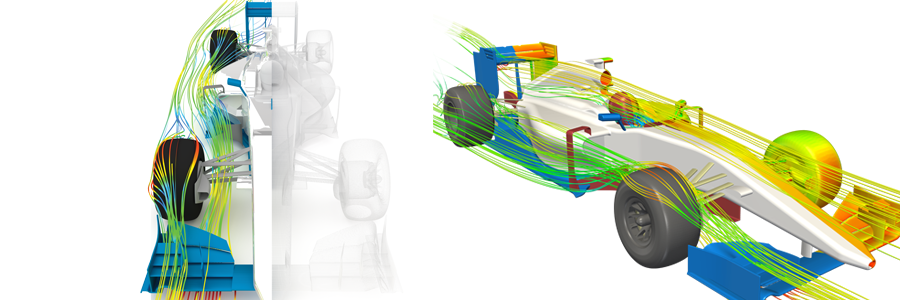
When it comes to the pinnacle of motorsport, Formula 1, speed is everything. The heart-pounding thrill of witnessing these sleek and powerful machines tearing around the track at mind-boggling speeds is a testament to the engineering marvels behind them. While engine power plays a crucial role, it is the aerodynamics of a Formula 1 car that truly unlocks its potential. In this blog, we will explore the intricate world of aerodynamics and how it shapes the performance of these extraordinary racing machines.
The Importance of Aerodynamics:
Aerodynamics is the science of how objects move through air. In the case of Formula 1, aerodynamics is vital for two primary reasons: maximizing straight-line speed and optimizing cornering capabilities. The objective is to minimize air resistance (drag) while generating enough downforce to enhance traction and grip. This delicate balance is achieved through a careful combination of various aerodynamic elements.
Front Wing:
The front wing is the first component that interacts with the oncoming air. Its main purpose is to control the airflow around the car. It splits the air, directing some over the top of the car and the rest underneath, creating a phenomenon known as ground effect. By doing so, it generates downforce, pressing the car against the track and improving grip. The intricate design of the front wing, with its multiple flaps and elements, enables teams to fine-tune the aerodynamic balance of the car.
Rear Wing and Diffuser:
While the front wing helps generate downforce, it is the rear wing that is responsible for balancing it. The rear wing works in conjunction with the diffuser, a specialized component located beneath the car, to manage the airflow coming from underneath. The rear wing creates drag, which counteracts the downforce generated by the front wing. Teams strive to strike the perfect balance between downforce and drag to optimize straight-line speed without compromising cornering abilities.
Sidepods and Bargeboards:
The sidepods play a crucial role in managing the airflow around the car. They help channel the air efficiently towards the rear of the car, reducing turbulence and drag. The bargeboards, positioned just ahead of the sidepods, further shape the airflow and direct it towards the rear wing and diffuser. These components work together to ensure smooth and controlled airflow, enhancing the overall aerodynamic performance of the car.
Brake Ducts and Cooling:
Aerodynamics is not solely about generating downforce and minimizing drag. It also involves managing the car’s thermal characteristics. Formula 1 cars generate enormous amounts of heat, particularly from the brakes and power unit. Brake ducts are carefully designed to direct cooling air to the brakes, preventing overheating and ensuring consistent performance. The challenge lies in incorporating these cooling features without compromising the overall aerodynamic efficiency of the car.
Constant Evolution:
Formula 1 teams invest significant resources in aerodynamic research and development. With the ever-changing regulations, each season brings new challenges and opportunities for innovation. Computational Fluid Dynamics (CFD) and wind tunnel testing are extensively employed to analyze and refine designs. Every small improvement in aerodynamic efficiency can make a significant difference on the track, leading to fierce competition among teams to push the boundaries of performance.
The aerodynamics of a Formula 1 car is a mesmerizing blend of art and science. From the carefully sculpted front wing to the complex network of components working in harmony, every aspect is optimized to unleash the full potential of these high-speed machines. The pursuit of optimal aerodynamic performance is a never-ending journey, as teams strive to gain a competitive edge and reach the pinnacle of racing excellence.
 JPC on Cars.