The Fascinating World of Computational Fluid Dynamics (CFD)

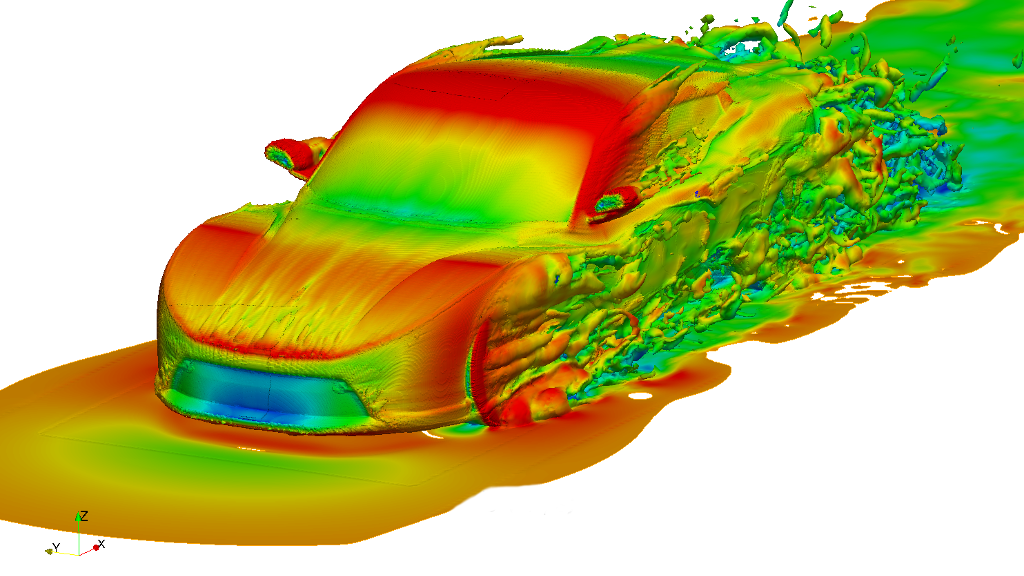
Image Credit: ENGYS

Have you ever wondered how engineers simulate and understand the complex behavior of fluids in various applications? Whether it’s designing efficient airplanes, optimizing car aerodynamics, or even predicting weather patterns, Computational Fluid Dynamics (CFD) plays a pivotal role. In this blog, we will delve into the fascinating world of CFD, exploring its fundamental principles, applications, and the impact it has on numerous industries.

Computational Fluid Dynamics (CFD) is a branch of fluid mechanics that employs numerical methods, algorithms, and computer simulations to analyze and predict fluid flow behavior. It combines principles from mathematics, physics, and computer science to solve the governing equations that describe fluid flow phenomena.

The underlying equations for fluid flow, known as the Navier-Stokes equations, are incredibly complex and often impossible to solve analytically. CFD offers a powerful alternative by discretizing the fluid domain into a mesh of smaller elements, applying numerical methods to approximate the governing equations, and then solving them iteratively.

Applications of CFD:

Aerospace and Automotive Industries:
CFD has revolutionized the aerospace and automotive sectors by enabling engineers to optimize designs, reduce drag, enhance fuel efficiency, and improve performance. By simulating airflow around vehicles or aircraft, engineers can identify areas of high drag, turbulence, or pressure gradients, leading to informed design modifications.

Energy and Environmental Engineering:
CFD plays a crucial role in designing energy-efficient systems and assessing environmental impacts. It helps optimize wind turbine designs, evaluate heat transfer processes in power plants, model pollutant dispersion, and analyze ventilation systems in buildings. By simulating and understanding fluid behavior, engineers can make informed decisions to reduce energy consumption and minimize environmental impact.

Biomedical Engineering:
In the field of biomedical engineering, CFD aids in studying blood flow patterns, optimizing prosthetic devices, and designing drug delivery systems. It allows researchers to simulate the behavior of fluids within the human body, aiding in the diagnosis and treatment of cardiovascular diseases, optimizing stent designs, and improving surgical techniques.

Weather Prediction and Climate Modeling:
CFD is instrumental in weather prediction and climate modeling by simulating atmospheric flows, ocean currents, and climate patterns. Sophisticated CFD models help meteorologists and climatologists predict severe weather events, understand climate change phenomena, and assess the impact of human activities on the environment.

Challenges and Advances in CFD:
While CFD has proven to be an invaluable tool, it does face certain challenges. Simulating complex fluid flow phenomena requires substantial computational resources and time. The accuracy of CFD simulations heavily relies on the quality of the underlying models, meshing techniques, and boundary conditions. Validating CFD results with experimental data is also essential to ensure reliability.

Recent advances in high-performance computing (HPC) and numerical methods have greatly enhanced the capabilities of CFD. With the advent of cloud computing and parallel processing, engineers can tackle larger and more complex simulations. Furthermore, improvements in turbulence modeling, adaptive meshing, and the integration of artificial intelligence techniques have contributed to more accurate and efficient CFD simulations.

Computational Fluid Dynamics (CFD) has revolutionized the way engineers understand and analyze fluid flow phenomena. Its applications span across various industries, enabling optimization, innovation, and informed decision-making. As technology continues to advance, CFD will play an increasingly significant role in solving complex fluid flow problems, driving advancements in engineering, energy, healthcare, and environmental sustainability. The fascinating world of CFD is continuously evolving, offering endless possibilities for scientific exploration and practical applications.

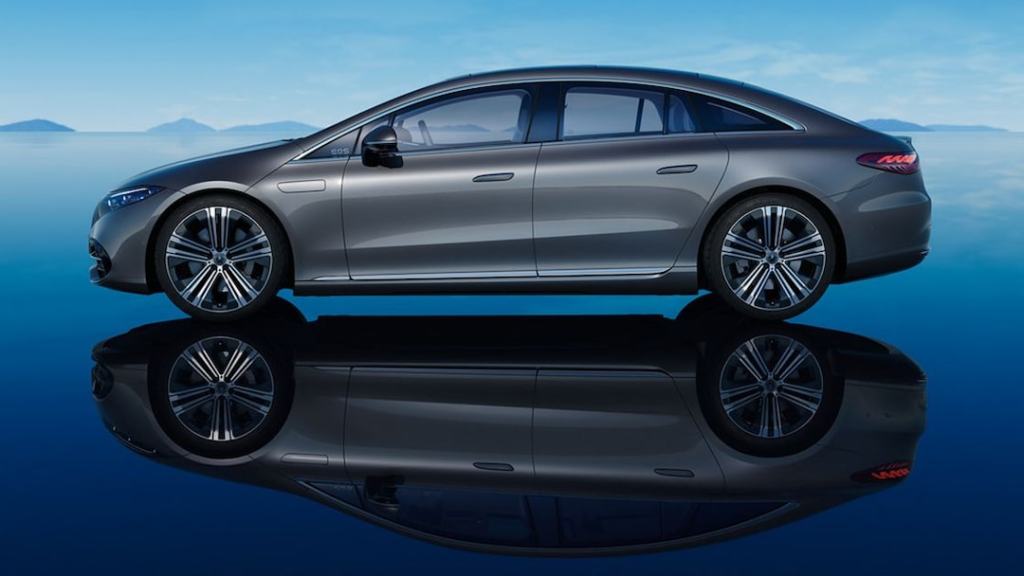
The Mercedes EQS Saloon: The Masterpiece of friend of Environment.

The automotive industry is in the midst of a revolutionary transformation as electric vehicles (EVs) become increasingly popular. Leading the charge in this paradigm shift is the Mercedes EQS Saloon, an all-electric luxury sedan that embodies the future of automotive excellence. With its stunning design, cutting-edge technology, and impressive range, the EQS Saloon sets new standards for electric mobility, offering a glimpse into the future of sustainable luxury transportation.

Design: Merging Elegance and Aerodynamics
The Mercedes EQS Saloon boasts an awe-inspiring design that effortlessly combines elegance and aerodynamics. Its sleek and streamlined body features a futuristic, minimalist aesthetic with a bold front grille and smooth contours that reduce wind resistance. This attention to aerodynamic efficiency contributes to enhanced range and efficiency, while also delivering a visually striking presence on the road. The EQS Saloon sets a new benchmark for luxury electric vehicle design, pushing the boundaries of what is possible in terms of style and sustainability.

Interior: A Technological Haven
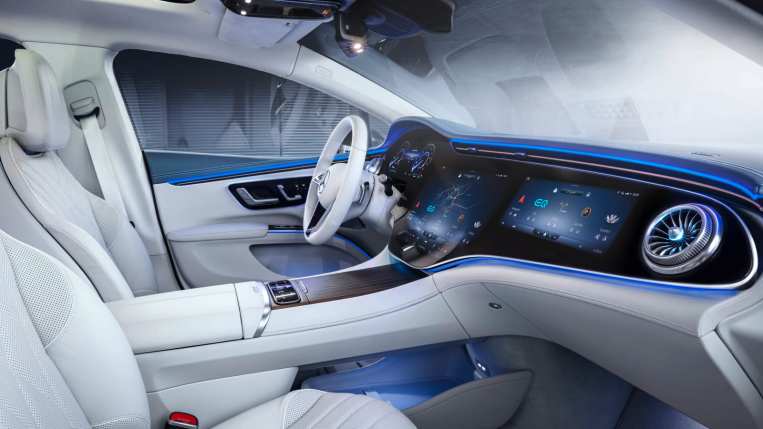
Step inside the EQS Saloon, and you’re greeted by a technological haven that redefines the concept of luxury. The cabin is a masterpiece of design and craftsmanship, incorporating sustainable materials and advanced features. The centerpiece is the Hyperscreen, a massive 56-inch curved glass display that seamlessly integrates the instrument cluster, infotainment system, and passenger display into a single unit. This futuristic interface provides a wealth of information and control at your fingertips, while also serving as a visual spectacle that epitomizes the modern luxury experience.

Performance: Power and Efficiency in Harmony
When it comes to performance, the EQS Saloon delivers in spades. Its electric powertrain provides instantaneous acceleration, catapulting the vehicle from 0 to 60 mph in a matter of seconds. The EQS Saloon comes in several variants, with different power outputs and range options to cater to different driving preferences and needs. With an impressive range of up to 400 miles (estimated), the EQS Saloon ensures that range anxiety becomes a thing of the past. Furthermore, the vehicle’s intelligent energy management system optimizes efficiency, allowing for longer journeys without compromising performance or comfort.

Charging and Infrastructure: Ready for the Future
Mercedes understands the importance of an extensive charging infrastructure for EV adoption. The EQS Saloon is compatible with various charging options, including public fast-charging stations and home-based solutions. With the ability to charge at up to 200 kW on compatible fast chargers, the EQS Saloon can gain around 186 miles of range in just 15 minutes, making long-distance travel more convenient and accessible. Mercedes is actively working to expand the charging network, collaborating with industry partners to ensure seamless charging experiences for EQS Saloon owners.

Safety and Sustainability: A Commitment to Excellence
Mercedes has always been synonymous with safety, and the EQS Saloon continues this legacy. The vehicle is equipped with an array of cutting-edge safety features and advanced driver-assistance systems, providing occupants with peace of mind on every journey. Additionally, sustainability is a core principle of the EQS Saloon’s design. Mercedes has employed a holistic approach, utilizing recycled and renewable materials, reducing carbon emissions throughout the production process, and aiming for a carbon-neutral supply chain. The EQS Saloon is a testament to Mercedes’ commitment to sustainable luxury.

The Mercedes EQS Saloon is more than just an electric vehicle; it represents a paradigm shift in luxury transportation. With its breathtaking design, innovative technology, impressive performance, and unwavering commitment to sustainability, the EQS Saloon showcases the future of automotive excellence. Mercedes has redefined the boundaries of what an electric luxury vehicle can be.

Unleashing the Power of Speed: The Aerodynamics of a Formula 1 Car.

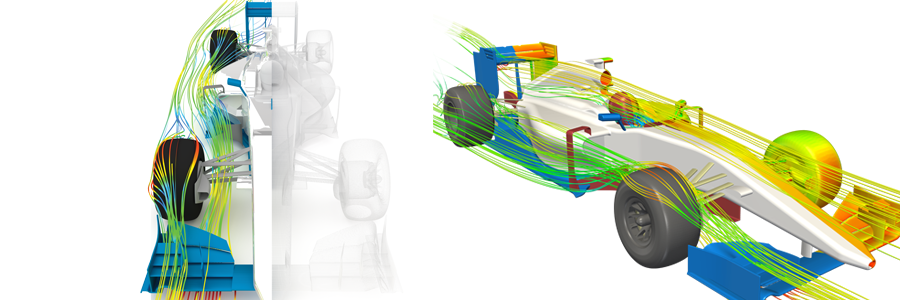
Pic:SimScale

When it comes to the pinnacle of motorsport, Formula 1, speed is everything. The heart-pounding thrill of witnessing these sleek and powerful machines tearing around the track at mind-boggling speeds is a testament to the engineering marvels behind them. While engine power plays a crucial role, it is the aerodynamics of a Formula 1 car that truly unlocks its potential. In this blog, we will explore the intricate world of aerodynamics and how it shapes the performance of these extraordinary racing machines.

The Importance of Aerodynamics:
Aerodynamics is the science of how objects move through air. In the case of Formula 1, aerodynamics is vital for two primary reasons: maximizing straight-line speed and optimizing cornering capabilities. The objective is to minimize air resistance (drag) while generating enough downforce to enhance traction and grip. This delicate balance is achieved through a careful combination of various aerodynamic elements.

Front Wing:
The front wing is the first component that interacts with the oncoming air. Its main purpose is to control the airflow around the car. It splits the air, directing some over the top of the car and the rest underneath, creating a phenomenon known as ground effect. By doing so, it generates downforce, pressing the car against the track and improving grip. The intricate design of the front wing, with its multiple flaps and elements, enables teams to fine-tune the aerodynamic balance of the car.

Rear Wing and Diffuser:
While the front wing helps generate downforce, it is the rear wing that is responsible for balancing it. The rear wing works in conjunction with the diffuser, a specialized component located beneath the car, to manage the airflow coming from underneath. The rear wing creates drag, which counteracts the downforce generated by the front wing. Teams strive to strike the perfect balance between downforce and drag to optimize straight-line speed without compromising cornering abilities.

Sidepods and Bargeboards:
The sidepods play a crucial role in managing the airflow around the car. They help channel the air efficiently towards the rear of the car, reducing turbulence and drag. The bargeboards, positioned just ahead of the sidepods, further shape the airflow and direct it towards the rear wing and diffuser. These components work together to ensure smooth and controlled airflow, enhancing the overall aerodynamic performance of the car.

Brake Ducts and Cooling:
Aerodynamics is not solely about generating downforce and minimizing drag. It also involves managing the car’s thermal characteristics. Formula 1 cars generate enormous amounts of heat, particularly from the brakes and power unit. Brake ducts are carefully designed to direct cooling air to the brakes, preventing overheating and ensuring consistent performance. The challenge lies in incorporating these cooling features without compromising the overall aerodynamic efficiency of the car.

Constant Evolution:
Formula 1 teams invest significant resources in aerodynamic research and development. With the ever-changing regulations, each season brings new challenges and opportunities for innovation. Computational Fluid Dynamics (CFD) and wind tunnel testing are extensively employed to analyze and refine designs. Every small improvement in aerodynamic efficiency can make a significant difference on the track, leading to fierce competition among teams to push the boundaries of performance.

The aerodynamics of a Formula 1 car is a mesmerizing blend of art and science. From the carefully sculpted front wing to the complex network of components working in harmony, every aspect is optimized to unleash the full potential of these high-speed machines. The pursuit of optimal aerodynamic performance is a never-ending journey, as teams strive to gain a competitive edge and reach the pinnacle of racing excellence.

Design a site like this with WordPress.com
Get started